Mali sme tu mať dobu ľadovú, no potom prišiel zvrat. Vedci ukázali na vinníka

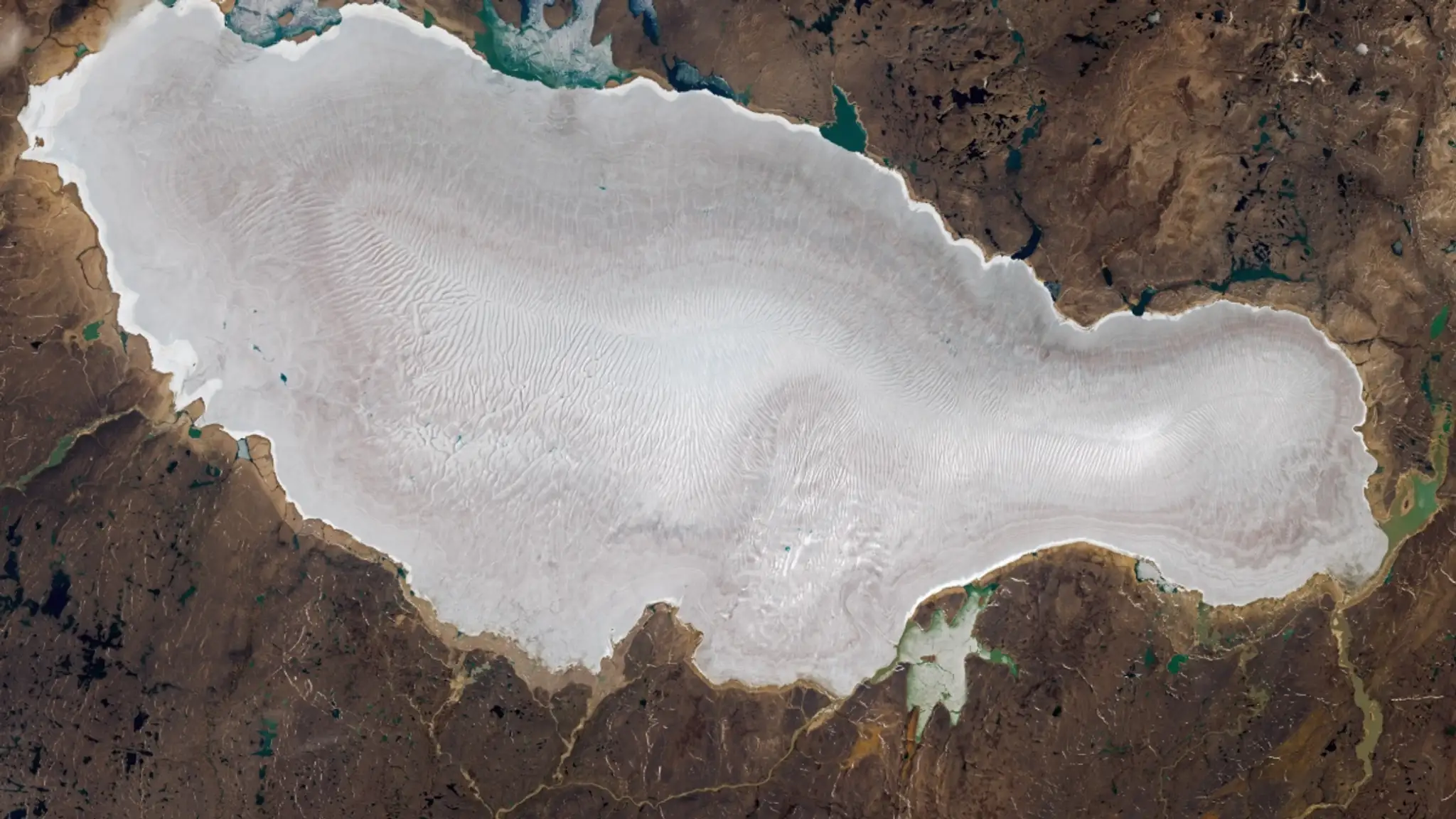
Rekonštrukcia minulosti Barnesovho ľadovca odhalila, že v 60. rokoch minulého storočia nastal zvrat a nástup doby ľadovej sa zastavil.
Na začiatku 70. rokov minulého storočia sa niektorí vedci domnievali, že svet by mohol vstupovať do novej ľadovej doby. Naznačovalo to podľa nich ochladzovanie planéty a prírastok ľadovej pokrývky. Potom však prišiel zvrat, svet sa začal otepľovať a vyzeralo to tak, že išlo o mylnú teóriu.
Odvtedy a ž doteraz sa predpokladalo, že nástup ľadovej doby nehrozí ešte ďalšie tisíce rokov. Nová štúdia však teraz poskytla dôkaz, že v dvadsiatom storočí sa objavili náznaky nástupu glaciačného obdobia, teda akéhosi predvoja ľadovej doby.
Podľa najnovších výskumov nám príbeh Barnesovho ľadového príkrovu, ktorý sa nachádza na Baffinovom ostrove v kanadskej Arktíde, ponúka pôsobivú sondu do minulosti, ktorá naznačuje, že ľudia pravdepodobne spaľovaním fosílnych palív zastavili ďalšiu dobu ľadovú, píše CNN.
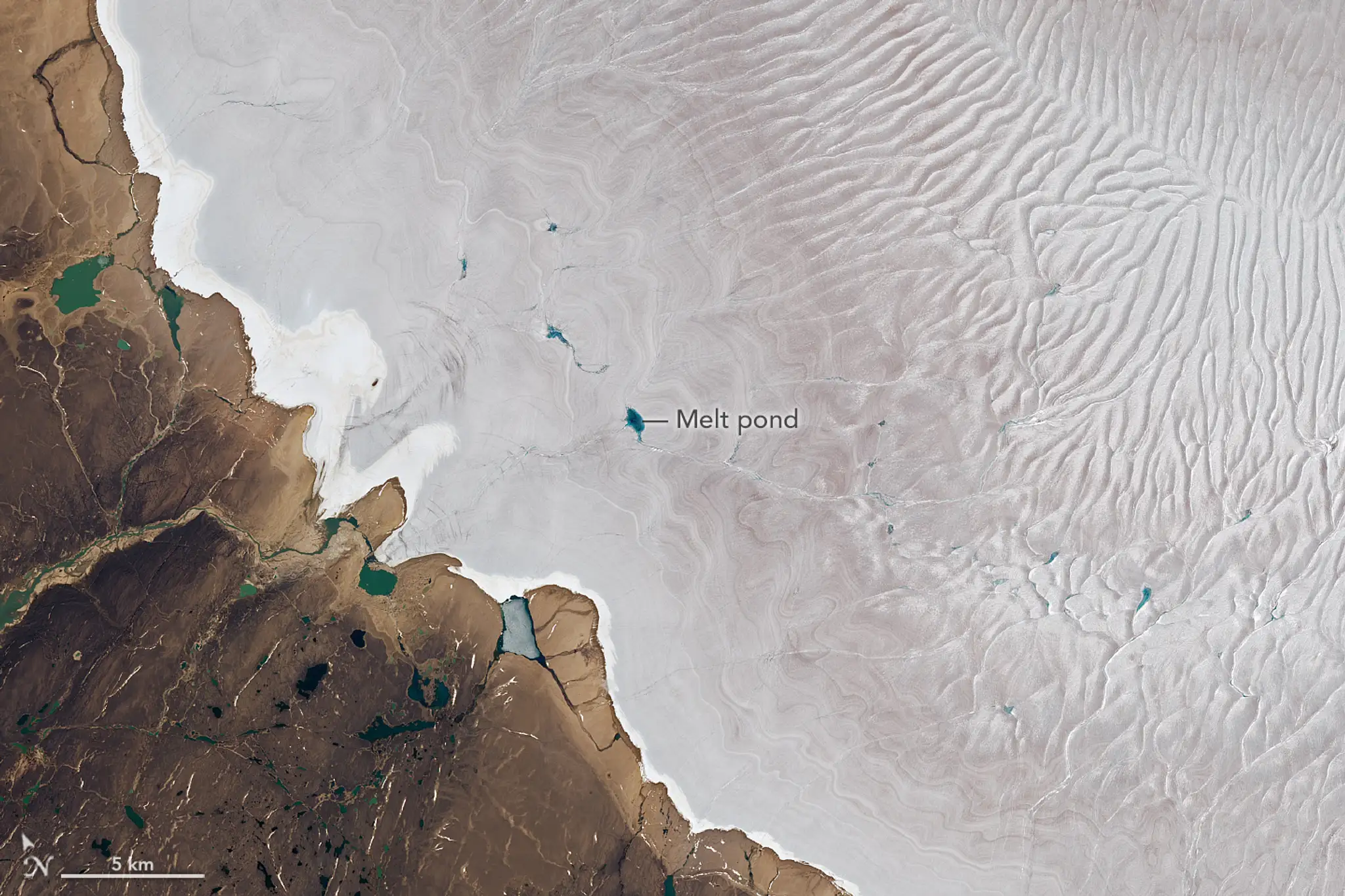
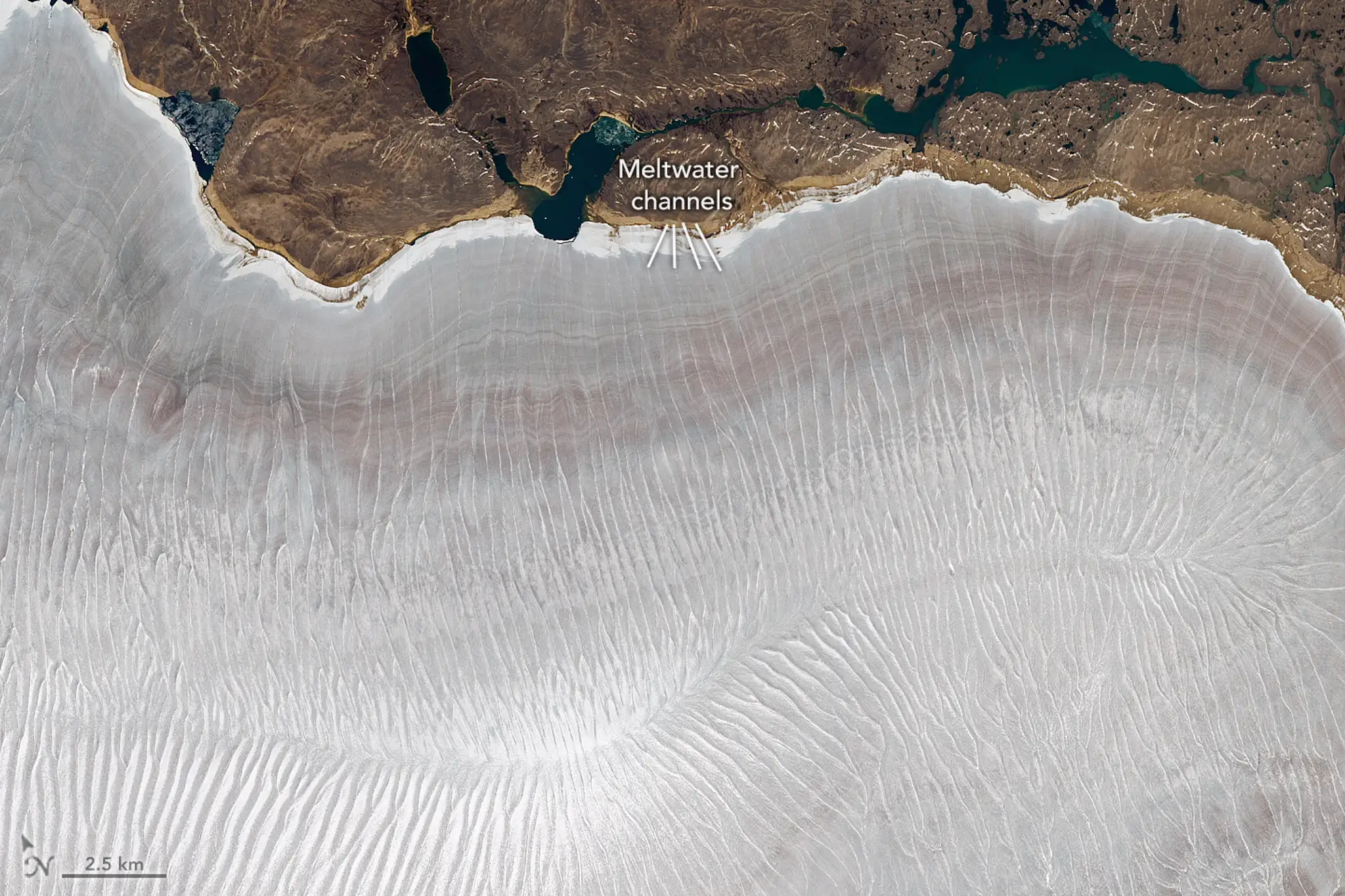
Barnesov ľadovec ako východiskový bod
Barnesov ľadovec je posledným pozostatkom obrovského Laurentidského ľadovca, ktorý počas poslednej ľadovej doby pokrýval väčšinu Severnej Ameriky.
Pred približne 20 000 rokmi sa tiahol od polárneho kruhu až na juh k štátu Illinois a v niektorých častiach mal hrúbku až tri kilometre.
Milióny rokov sa na našej planéte striedali doby ľadové s obdobiami oteplenia, čo spôsobovali zmeny v obežnej dráhe Zeme, pričom Laurentidský ľadový štít často slúži ako východiskový bod na ich pochopenie.
Vedci teraz zistili, že ľadová pokrývka dosiahla svoju minimálnu rozlohu približne pred 3 000 rokmi a následne sa začala opäť rozširovať približne pred 2 000 rokmi v dôsledku ochladenia. Jej rast znamenal začiatok nového obdobia zaľadnenia, bežne nazývaného ľadová doba, ako uvádza nová štúdia odborníkov z Columbia Climate School uverejnená v časopise Science.
„Všetko sa práve začínalo, všetko bolo v poriadku, ďalšia ľadová doba sa chystala – a predsa sa zastavila,“ povedal Nicolás Young, autor štúdie a geochemik z Lamont-Doherty Earth Observatory, ktorá je súčasťou Columbia Climate School. „Je to veľmi výrečný príklad toho, ako sme tento systém narušili.“
Did Humans Accidentally Prevent the Next Ice Age? A New Study Makes the Case | Tibi Puiu, ZME Science On the remote plateau of Baffin Island in Canada’s Nunavut territory, the retreating edge of the Barnes Ice Cap is exposing long-dead mosses that have not seen sunlight since the Roman Empire. For 2,000 years, this Delaware-sized dome of ice slowly expanded across the tundra, entombing every plant in its path. Then, around 1960, the ice abruptly reversed course. This isn’t some ordinary local melting. According to a new study published in the journal Science, the two-millennia expansion of the Barnes Ice Cap marked the birth of Earth’s next ice age — and human-driven greenhouse gas emissions terminated it in its infancy. By burning fossil fuels, humanity has overpowered the subtle planetary cycles that governed global climate for the past 2.6 million years, the scientists argue. “It was just getting started, everything was normal, the next glaciation was about to happen — and yet it stopped,” Nicolás Young, the study’s lead author and a paleoclimatologist at Columbia University’s Lamont-Doherty Earth Observatory, told CNN. “It’s a very powerful example of how we have jolted the system.” Reading the Clues Under the Ice Around 20,000 years ago, the colossal Laurentide Ice Sheet covered nearly 30 percent of North America, stretching from the Arctic Circle to Illinois in layers more than two miles thick. Today, the Barnes Ice Cap is the last surviving remnant of this ancient giant. Resting on low-elevation bedrock roughly 500 meters above sea level, the 700-meter-thick dome serves as the historical ground zero for North American glaciation. How do researchers track the growth of an ice sheet when advancing glaciers normally pulverize the landscape beneath them? Unlike most glaciers that slide across the ground and crush everything underneath, the Barnes Ice Cap is frozen solid to its underlying bedrock. After the ancient ice sheet shrank during the current warm period — the Holocene, which began 11,700 years ago — “mosses eventually colonized this newly exposed land,” Dr. Young told Wired. “These mosses are living there, and things are normal — then, eventually, the ice cap starts to re-expand. The ice covers the moss and kills it.” Because the ice does not slide, it acts as a deep freezer rather than a bulldozer, preserving the delicate plants in place. “We can actually track the expansion of the ice margin as it’s progressively covering mosses and killing (them),” Dr. Young said. An Ice Cap Timeline To reconstruct the ice cap’s timeline, Dr. Young’s team pieced together evidence from two distinct geological clocks. First, they measured cosmic ray exposure by analyzing a rare, radioactive form of beryllium trapped in 35 bedrock and boulder samples. Because this isotope accumulates only while rock lies exposed to the open sky, it revealed that the ancient ice sheet shrank to its smallest footprint about 3,560 years ago. Then, as modern warming drove the ice edge back between 200 and 800 meters from 1960 to 2022, the researchers gathered 88 samples of newly uncovered dead vegetation to pinpoint its subsequent advance. Radiocarbon dating of these plant “kill dates” revealed that the ice began re-expanding roughly 2,000 years ago in response to declining summer sunlight across the Northern Hemisphere, culminating in a major growth pulse during the exceptionally chilly summers between 1780 and 1880. “Our approach helped us see the first steps of ice-sheet growth preserved in the landscape. It gave us a rare opportunity to understand how re-glaciation begins and how the Laurentide Ice Sheet re-forms,” study co-author Joerg Schaefer, a geochemist at Columbia University, said in a statement. A Debate Over Planetary Timelines By 1960, atmospheric greenhouse gases had risen by roughly 62 parts per million of carbon dioxide equivalent above preindustrial levels (and climbed another 138 parts per million by 2024). The resulting warming turned the ice cap’s mass balance negative, causing rapid Baffin Island glacier loss and stripping the Barnes Ice Cap of its snow-accumulation zone entirely since 2010. “We think that it’s no coincidence that that’s at the same time as we’ve pumped an extraordinary amount of greenhouse gases into the atmosphere,” Dr. Young said, noting that climate pollution has “essentially overpowered” the natural orbital mechanisms that “want to make that region cool.” Outside experts say the study’s methods are impressive. Meredith Kelly, an earth sciences professor at Dartmouth College, noted that the team used “novel radiocarbon dating of plants” to map the ice, adding that comparing these findings with glaciers advancing in other regions would clarify the broader mechanisms at play. Meanwhile, Andrey Ganopolski, a physicist at the Potsdam Institute for Climate Impact Research whose 2016 Nature study concluded that human emissions will delay the next ice age by 50,000 years, argued that the Barnes Ice Cap growth “is insufficient to support the conclusion that a new glacial cycle had already begun and was subsequently aborted,” according to CNN. Traditional climate models define an ice age only after massive ice sheets lock up several meters of global sea level. Dr. Young’s team counters that waiting for colossal ice sheets misses the actual moment of birth. Still, because ice ages take millennia to develop, Dr. Young cautioned against claiming global warming “saved humanity from an ice age.” Instead, we have entered uncharted territory, where “we’ve probably put off any chance of any other future glaciation for a very, very long time.” As Earth scientist Shaun Marcott wrote in an accompanying Science perspective article: “Will another ice age ever transpire? The next glacial inception is generally considered unlikely to occur in the next predicted cycle, but ultimately how many skipped glacial cycles occur is left to choices made by humanity and tied to the future carbon emissions.” https://t.co/GVnIEYyb1c
— Owen Gregorian (@OwenGregorian) October 31, 2026
Skúmali hornny a stopy po rastlinách
Zistiť ako sa v priebehu miliónov rokov ľadovec zmenšoval a rástol je náročná úloha, pretože geologické stopy sa pri opätovnom pribúdaní ľadu často vytratia.
Barnesov ľadový príkrov je však pevne prichytený k podložiu a nešmýka sa, čo umožnilo, že sa zachovali stopy po rastlinách rastliny, ktoré počas svojho rastu pochoval. Vedci nazbierali dávno mŕtve machy v blízkosti okraja ľadovca a analyzovali ich, aby zistili, kedy naposledy žili. Výskum využil rôzne techniky vrátane nového rádiokarbónového datovania rastlín, aby poskytol jasný obraz o postupe a ústupe ľadovej pokrývky.
Skúmali tiež okolité horniny, aby zistili, ako dlho už neboli pokryté ľadom, a to prostredníctvom analýzy vzácneho rádioaktívneho izotopu, ktorý sa v hornine hromadí po jej vystavení vzduchu.
Tieto metódy im pomohli rekonštruovať obraz minulosti ľadovca. Jeho opätovný rast by sa mal považovať za začiatok novej doby ľadovej, avšak podľa autorov štúdie sa nikdy nedostal ďalej ako do počiatočnej fázy, keďže v 60. rokoch 20. storočia došlo k zvratu.
„Domnievame sa, že nie je náhoda, že sa to zhoduje s obdobím, keď sme do atmosféry vypúšťali mimoriadne veľké množstvo skleníkových plynov,“ uviedol Young. Klimatické znečistenie podľa neho v podstate prekonalo ostatné mechanizmy, ktoré túto oblasť mali ochladiť.
Aby sa závery vedcov potvrdili, nutné je však porovnanie výsledkov s ľadovcami v iných regiónoch, ktoré v podobnom období tiež postupovali. To by pomohlo lepšie pochopiť pôsobiace mechanizmy.
Prečítajte si tiež:
Vedec spochybnil závery štúdie
Andrej Ganopolski, fyzik z Postupimského inštitútu pre výskum vplyvov klímy, však vedcom z Columbia Climate School oponuje.
„Rozrastanie sa Barnesovho ľadovca nie je dostatočným dôkazom na to, aby sme mohli usúdiť, že nový ľadový cyklus už začal a následne bol prerušený,“ uviedol.
Podľa neho to spochybňuje množstvo výskumov zameraných na to, či emisie uhlíka môžu výrazne oddialiť nástup ďalšej ľadovej doby.
Modelové štúdie, vrátane tej jeho, dospeli k záveru, že ďalšiu dobu ľadovú by sme mohli očakávať až o približne 50 000 rokov – a to aj bez globálneho otepľovania.
Young je však presvedčený, že nový výskum naznačuje, že mali pravdu a nová ľadová doba sa skutočne začala, no došlo k zastaveniu tohto trendu. „Nemusíme čakať na vznik obrovských ľadových štítov, aby sme mohli vyhlásiť, že sa začala,“ dodal vedec.
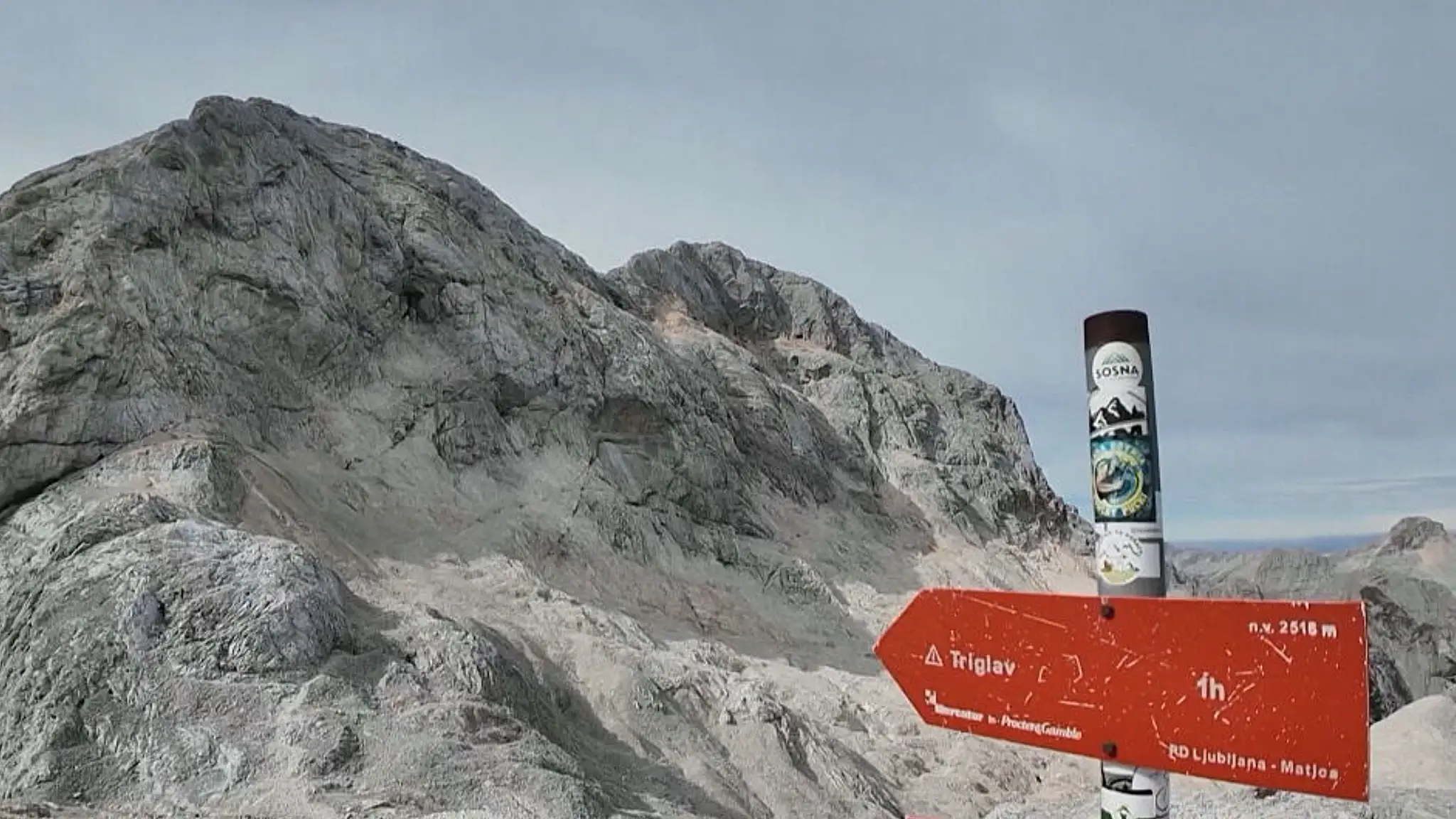
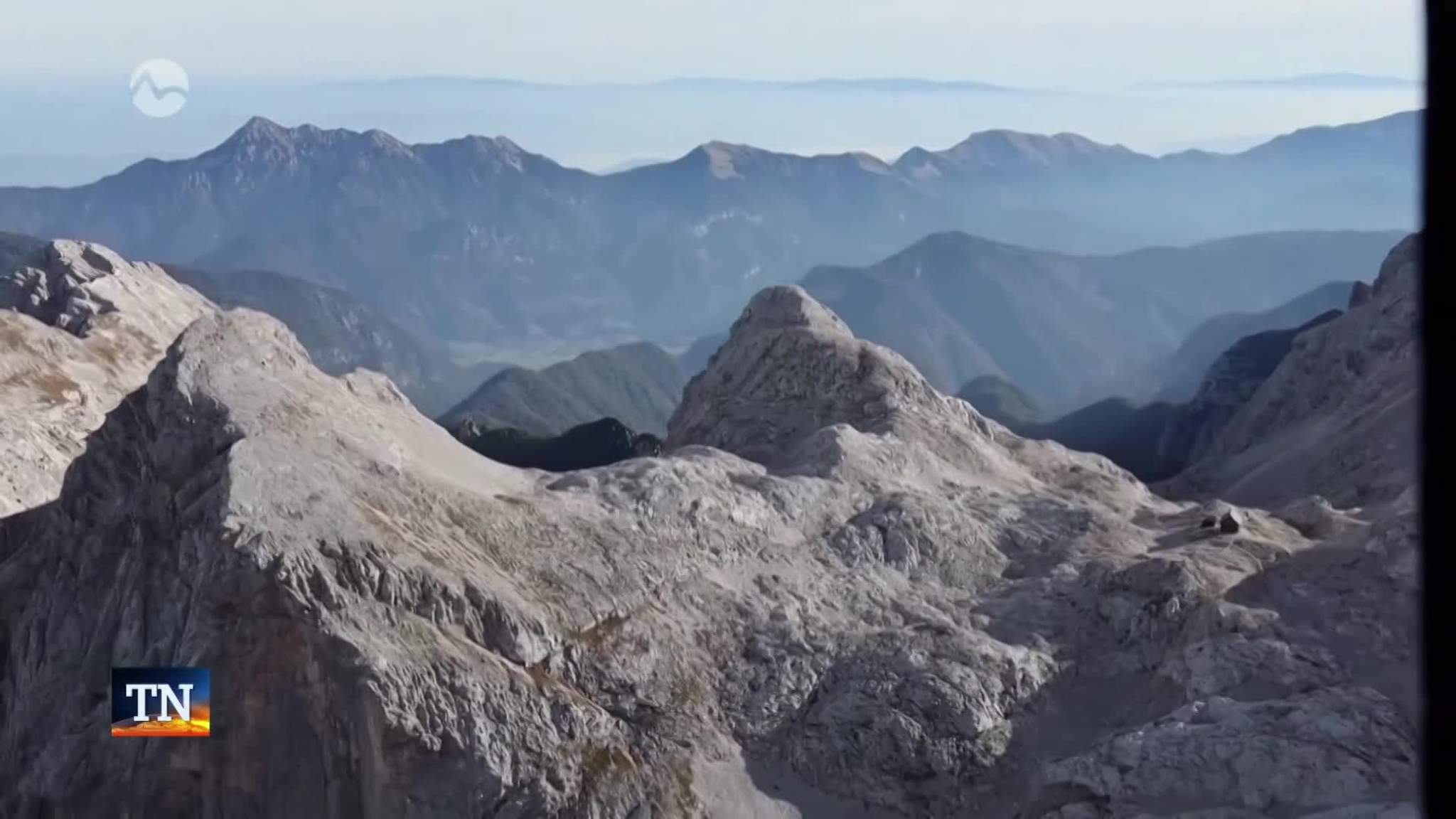
Zo symbolu slovinských hôr zostala len holá skala. Pozrite si príspevok o zmiznutí Triglavského ľadovca:
Páči sa vám tento obsah?
Pridajte si tnlive.sk ako preferovaný zdroj na Google, aby ste videli viac obsahu ako tento.
Pridať preferovaný zdroj